You see those neat grids plastered across casino pages and reckon they’re telling you the whole story. They’re not. An online blackjack payout odds table is mostly a snapshot of how a specific variant pays out on natural blackjacks, pair splits, and double-downs, not a promise of what your bankroll will do over a long arvo. I’ve spent years tuning acquisition campaigns across global markets, and the pattern’s always the same: players who treat the table as a map rather than a marketing hook convert better and stay longer. Below, I’ll walk through what those numbers really measure, how to read them without getting distracted by flashy bonus maths, and why the interface around them matters just as much as the figures themselves.
Reading the grid without the marketing gloss
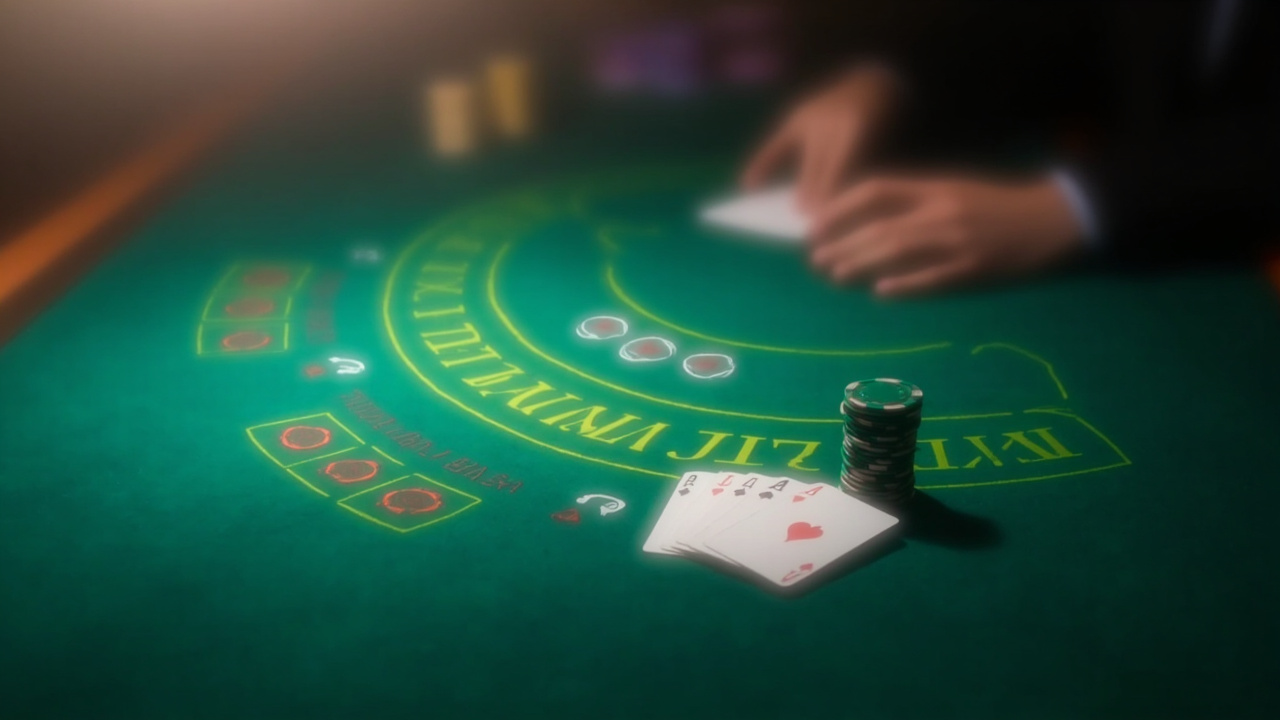
The first thing to separate is the base game maths from the promotional wrapper. Most tables you’ll run into list the standard 3:2 natural blackjack payout alongside 6:5 variants, then layer in side bets, early-payout options, or progressive hooks that shift the actual return. When I’m assessing conversion quality for a new market, I look past the headline odds and check whether the site’s presenting the raw pay schedule clearly or burying it under bonus terms. A clean layout shows the base payout first, lists side-bet returns separately, and doesn’t blend them into one blended “payout” figure that sounds better than it is.
That distinction matters more than most players realise. A table might advertise a generous-looking return on a suited pair or a bonus blackjack, but those bets usually carry a heavier house edge than the main hand. If you’re comparing variants, the useful question isn’t which grid looks prettiest; it’s which one keeps the core blackjack pay at 3:2 and lists every deviation in plain terms. You can cross-check how the odds are presented against a straightforward breakdown like the one in our related piece on blackjack odds explained for more informed casino play, which runs through the common traps players hit when they skim the numbers.
The interface around the table is where a lot of sites either earn trust or lose it. Good localisation means the grid uses dollars and cents without rounding oddly, the navigation keeps the pay schedule accessible without three taps, and the language doesn’t drift into vague promotional phrasing. When I’ve reviewed campaign landing pages for Australian traffic, the ones that performed best had the payout table visible on the game info page, with a short note on what each line actually covers. Nothing fancy, just a clear structure that lets you verify the numbers before you sit down.
How the numbers shift across variants and markets
The same game can look in our network quite different once you move between providers and jurisdictions, and that’s where the online blackjack payout odds table becomes a practical tool rather than a decorative one. In the US, several operators lean into 6:5 tables because they fit a faster, higher-volume model, while UK and European rooms more commonly keep 3:2 as the default and list bonus payouts in a separate column. Down Under, we don’t have the same licensed domestic casino framework, so the variants you’ll see on international sites are the ones worth paying attention to, especially when the pay schedule changes between a standard shoe and a speed or single-deck version.
Provider differences show up in the details. One studio might offer a natural blackjack at 3:2 but pay a reduced rate on late surrender, while another keeps the main hand consistent and pushes the edge into a progressive side bet. I’ve seen acquisition flows where the landing page highlights a flashy bonus payout, but the actual table shows the base game returning less per hand than the promotional copy implies. The practical move is to check the pay schedule against the game rules page, then confirm whether the variant you’re loading matches the one the table describes. If the grid and the live game don’t line up, the numbers are only decorative.
These subtle variations matter because they accumulate over time, especially for players who focus on basic strategy rather than luck. Before sitting down, you should always read the full payout table to understand where the house edge actually lies. For a deeper breakdown of how these rules interact, see this guide on blackjack odds explained.

Localisation also changes how readable the table is. A site that handles Australian traffic well will keep the currency consistent, avoid mixed notation, and make the pay lines easy to scan on a phone. I’ve tested pages where the table looked fine on desktop but collapsed into a cramped block on mobile, which is exactly the kind of friction that turns a curious visitor into a bounce. A well-built page keeps the same structure across screen sizes, lists the main payout first, and separates side bets so you can see where the real return sits. If you’re weighing a site on how it presents this stuff, a quick look at a casinodays review can show whether the layout holds up in everyday use or just looks tidy in a screenshot.
The other thing I’ve noticed across markets is how often players confuse a high payout line with a high overall return. A single bonus bet might pay 25:1, but if it hits rarely and the base game runs at a tighter edge, the long-run picture doesn’t improve. That’s why I always tell acquisition teams to measure retention and repeat session quality, not just first-deposit conversion. A player who understands the table and picks a 3:2 variant with clear rules tends to stay engaged longer than one chasing a big side-bet number that rarely lands. Archie Wright, Managing Partner, Federation Betting Insights, puts it plainly: “The payout grid is only useful if it matches the variant you’re actually playing; otherwise it’s just a pretty chart.” casinodays review
Matching the table to how you actually play
If you’re using an online blackjack payout odds table as part of your decision-making, the useful approach is to treat it like a rules checklist, not a scorecard. Start with the base blackjack payout, confirm whether the variant runs 3:2 or 6:5, and note any changes to surrender, doubling, or pair splitting. From there, check whether the site separates side bets clearly and whether the same pay schedule appears on the live game page. That’s the part that separates a well-organised room from one that’s dressing up a mediocre variant with a shiny grid.
The player-fit question is straightforward: do you want a slower, standard-paying game with a clear pay schedule, or are you comfortable with a variant that shifts some of the return into bonus lines and faster rounds? If you’re after steadier play, look for a table that keeps the natural blackjack pay at 3:2, shows the main rules up front, and doesn’t blur the side bets into the headline figures. If you’re more interested in variety, a site that lists every payout line separately and keeps the base game transparent still gives you something solid to work from. The table is only helpful when it reflects the actual game you’re loading, not a generic version that looks better in an ad.
For Australian players, the practical reality is that you’re comparing international variants rather than a domestic licensed casino framework, so the clarity of the pay schedule matters more than any local endorsement. A site that presents the numbers consistently, keeps the currency and language straight, and makes the table easy to find on mobile is doing the basics right. That’s the kind of setup where the online blackjack payout odds table actually earns its place, because you can check it quickly and move on to the game itself without second-guessing what the grid is trying to tell you.
A clear pay schedule, a 3:2 base variant, and a layout that keeps the table visible on the game page are the markers worth looking for. If those line up, the grid becomes a useful reference; if they don’t, it’s just another pretty panel on the page.
Glossary
- Natural blackjack: an ace plus a ten-value card on the initial deal, usually paying the top line on the table.
- 3:2 vs 6:5: the ratio paid on a natural blackjack; 3:2 returns $15 on a $10 bet, 6:5 returns $12.
- Side bet: a separate wager alongside the main hand, often with its own payout line and higher house edge.
- House edge: the built-in mathematical advantage the game holds over the long run.
Skriv et svar